
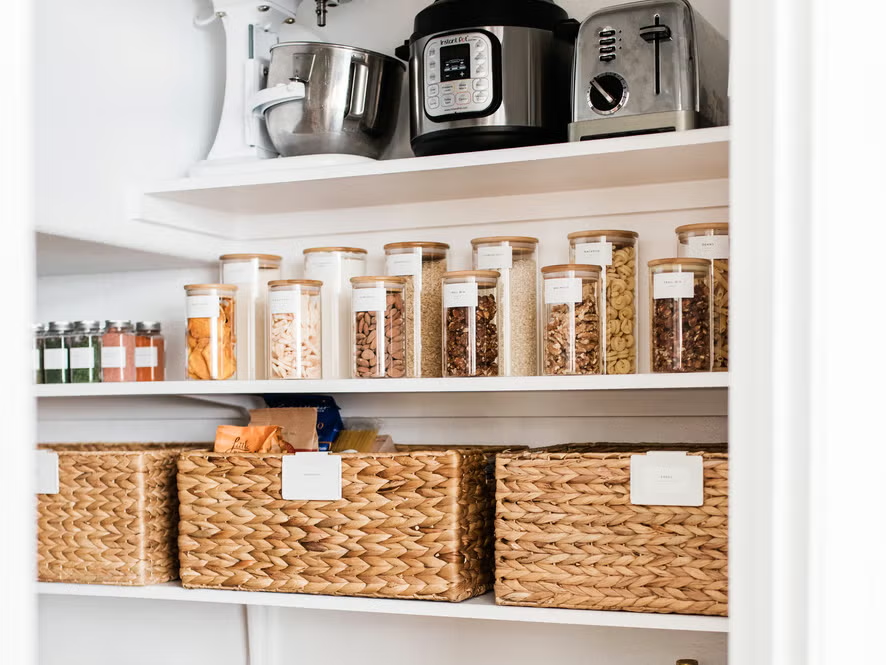
Small Pantry Problems – Fit More Food Without Clutter

A small pantry can hold a surprising amount of food when shelves are organized by package size, frequency of use, and food category. Problems begin when bags, cans, boxes, and backups are stacked wherever they fit, making ingredients disappear behind one another.
The goal isn’t maximum density. It’s storing more while keeping every major category visible and reachable.
Clear the Pantry Before Adding Storage Products
Remove expired food, empty packaging, stale snacks, and items your household is unlikely to use. Then group what’s left into categories such as breakfast foods, canned goods, baking supplies, snacks, grains, and meal ingredients.
Ideas from broader organized home spaces can be applied to pantry shelves by treating each category as a permanent zone rather than allowing groceries to spread randomly after every shopping trip.
Measure Shelf Depth and Height
Measure before purchasing bins or risers. Deep containers may waste valuable shelf depth if the pantry itself is shallow.
Knowing the dimensions also helps identify shelves with unused vertical space.
Make Food Visible From Front to Back
Shelf risers work well for canned goods because rear items remain visible. Turntables can help with sauces, oils, or jars in deep corners.
Effective pantry storage ideas should reduce the number of products hidden behind other products. If you can’t see an ingredient, you’re more likely to buy another one unnecessarily.
| Pantry Problem | Storage Fix | Benefit |
|---|---|---|
| Hidden cans | Tiered riser | Better visibility |
| Loose snack bags | Open basket | Easier grouping |
| Deep corner | Turntable | Improved access |
| Tall shelf gap | Stackable shelf | Extra level |
Match Containers to the Food You Actually Buy
Decanting every ingredient into matching containers looks orderly, but it can create extra work and waste space if the container is poorly sized.
Some packaged foods are easier to store in their original boxes or bags. Practical interior organization approaches work better when storage adapts to normal household habits rather than forcing everything into a decorative system.
Use Bins for Categories, Not Individual Products
One snack bin or baking bin is usually more useful than a separate container for every package. Broad categories make restocking easier.
Leave enough room to pull the bin forward without knocking down neighboring items.
Create a Simple Restocking Zone
Store duplicates and unopened extras together instead of mixing them with currently opened packages. This immediately shows what needs replacement and what you already have.
Place newer products behind older ones when practical so food that has been stored longer is used first. Keep any package instructions and date information visible when transferring or rearranging food.
Why Packing a Pantry Too Tightly Backfires
A completely full pantry may technically hold more food, but it becomes harder to use. Items get forgotten, duplicated, or left until they are no longer wanted.
Oversized baskets cause similar problems because products at the bottom disappear. Leave a small amount of breathing room on shelves and in bins. Useful pantry capacity means being able to remove one ingredient without dismantling a stack around it.
Frequently Asked Questions
How can I make deep pantry shelves easier to use?
Use shallow bins that slide forward, tiered risers for shorter containers, or turntables for jars and bottles. Place frequently used foods toward the front and avoid stacking unrelated products several layers deep.
Should pantry food be transferred into clear containers?
Only when it improves storage or daily use. Original packaging may be more practical for some foods because it includes preparation instructions, dates, and product information. Containers should solve a problem rather than create another task.
What should go on the highest pantry shelf?
Reserve harder-to-reach shelves for lightweight backups, infrequently used serving supplies, or seasonal ingredients. Avoid storing heavy containers overhead where retrieving them could be awkward.
Build a Pantry You Can Read at a Glance
A small pantry becomes more useful when food stays visible. Remove forgotten products, establish broad categories, use shelf height intelligently, and maintain a separate area for backups. Resist filling every gap after grocery shopping. If you can quickly see what you own and reach it without moving several unrelated packages, your available pantry space is working efficiently.