
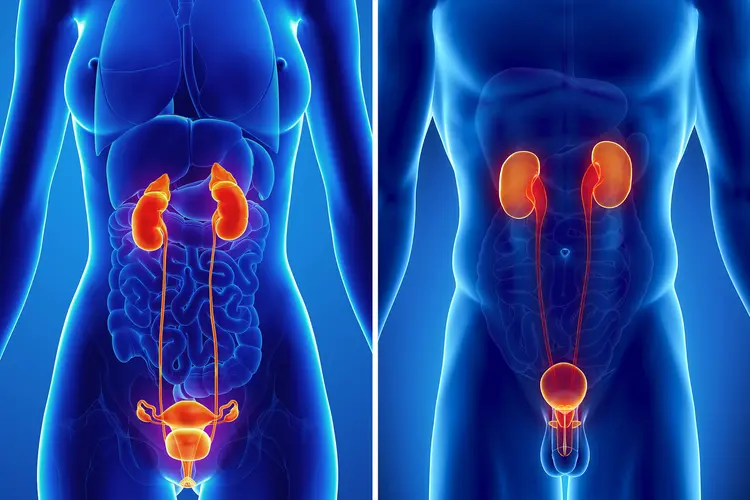
Frequent Night Urination – Track Patterns Before Seeking Advice

Waking repeatedly to use the bathroom can fragment sleep and leave you tired the following day. Frequent night urination, often called nocturia, has several possible explanations, ranging from evening drinking habits to bladder, prostate, sleep, medication, or medical issues.
Tracking the pattern for several days can provide useful context before discussing it with a health professional.
Start With What Happens Before Bed
Evening fluid intake matters. Drinking a large amount shortly before sleeping naturally increases the amount of urine your body must handle overnight.
Caffeine and alcohol can also affect sleep or urinary patterns in some people. While browsing general wellbeing topics, avoid assuming that one lifestyle factor explains repeated nighttime urination without considering the wider pattern.
Record roughly when you drink, when you go to bed, and how many times you wake to urinate.
Nocturia Can Have More Than One Cause
Nighttime urination isn’t a diagnosis. NIDDK information notes that prostate enlargement, obstructive sleep apnea, kidney disease, urinary infection, heart problems, and other conditions can be associated with frequent nighttime urination.
For men, BPH is one possible explanation because an enlarged prostate can interfere with urinary flow and bladder emptying. NIDDK lists nocturia among symptoms that may occur with BPH.
Online daily health reading can increase awareness of terminology, but it cannot establish which cause applies to an individual.
| Pattern to Track | Example | Why It Helps |
|---|---|---|
| Evening fluids | Large drink near bedtime | Shows timing relationship |
| Nighttime trips | Number of awakenings | Measures disruption |
| Urine stream | Weak or interrupted | May guide urinary evaluation |
| Other symptoms | Pain, urgency, swelling | Adds clinical context |
A Simple Diary Can Make the Problem Easier to Explain
Memory becomes unreliable when sleep is interrupted night after night. A short diary can show whether the problem is occasional or consistent.
Write down bedtime, approximate evening fluid intake, bathroom trips, urgency, discomfort, and whether you produce a small or larger amount of urine. If relevant, note changes in medications.
People may encounter broader digital wellness content while looking for explanations, but a symptom diary is more useful for describing your own pattern than trying to match yourself to an online story.
Don’t Assume It’s Only a Prostate Problem
For men, nighttime urination is often associated with prostate enlargement in everyday conversation, but that explanation is incomplete. Bladder conditions, sleep apnea, medications, infection, fluid redistribution, and other health issues can create similar nighttime symptoms.
Likewise, how often you wake doesn’t reveal the cause on its own. The volume of urine, daytime urinary pattern, pain, urgency, snoring, swelling, thirst, and medication history may all change how a clinician interprets the problem.
When Does Night Urination Need Medical Evaluation?
See a health professional when repeated nighttime urination is disrupting sleep, worsening, occurring with daytime urinary difficulty, or accompanied by pelvic discomfort or leakage. NIDDK advises evaluation for bladder symptoms including waking to use the bathroom.
Seek prompt medical attention if you cannot pass urine, notice blood in your urine, or have painful and urgent urination with fever or chills. These findings need more than home monitoring.
Frequently Asked Questions
Is waking once at night to urinate always abnormal?
Not necessarily. Occasional nighttime urination can happen for simple reasons such as fluid intake. The pattern becomes more useful clinically when it is persistent, increasing, or disrupting sleep.
Can an enlarged prostate cause nighttime urination?
Yes. BPH can contribute to nocturia, urgency, frequency, and problems with urinary flow, although other conditions can produce similar symptoms.
Should I stop drinking water in the evening?
Extreme fluid restriction is not a good default strategy. Adjusting the timing of unnecessary late-evening drinks may help some people, but hydration needs and medical conditions differ.
Track First, Then Discuss the Pattern
A few nights of notes can turn a vague complaint into useful information: when you drink, how often you wake, what the urine stream feels like, and whether other symptoms are present. If the pattern persists or interferes with sleep, bring those observations to a health professional rather than repeatedly experimenting with self-treatment.
This article is for general informational purposes and is not a substitute for professional medical advice, diagnosis, or treatment.