
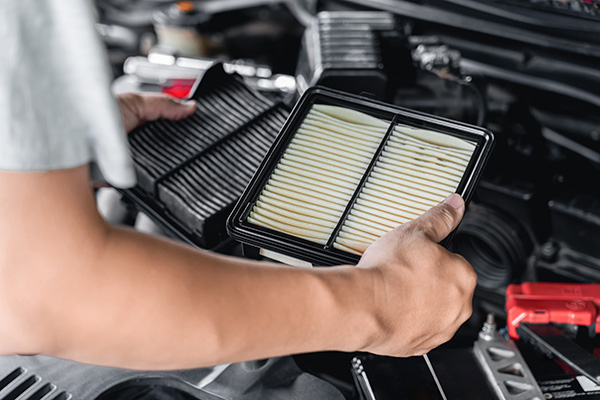
Dirty Air Filters – Improve Mileage With Timely Replacement

An engine air filter protects internal components by trapping dust and debris before incoming air reaches the engine. Dirty air filters can restrict airflow when heavily clogged, although the effect on fuel economy varies between vehicle designs. Timely inspection helps maintain normal engine breathing and prevents owners from relying on guesswork about replacement.
What the Engine Air Filter Actually Does
Combustion requires both fuel and air. The engine air filter sits in the intake path and captures dirt that could otherwise enter the engine.
As contamination builds, airflow resistance can increase. Modern engine-management systems can compensate for many operating changes, which means a dirty filter doesn’t automatically explain every fuel-mileage problem.
Condition Matters More Than Appearance Alone
Some filters darken during normal use without being completely blocked. Replacement decisions should consider the manufacturer’s interval, operating environment, and physical condition.
Drivers researching engine and drivetrain technology should avoid treating every visible layer of dust as proof that fuel economy will improve dramatically after replacement.
Driving Environment Changes Replacement Needs
A vehicle used on dusty roads may load its filter faster than one driven mainly on clean paved highways. Construction zones, agricultural areas, and frequent unpaved travel can also expose the intake system to more airborne material.
Regular inspections fit naturally into broader garage service routines. Check that the filter is seated correctly as well, because improper installation can allow unfiltered air to bypass the filter.
| Filter Condition | What It Suggests | Reasonable Action |
|---|---|---|
| Light surface dust | Normal use possible | Inspect at service |
| Heavy packed debris | Restricted airflow possible | Replace if appropriate |
| Torn filter media | Poor filtration | Replace promptly |
| Incorrect seating | Air may bypass filter | Reinstall correctly |
Don’t Ignore Other Causes of Bad Mileage
If a fresh filter doesn’t improve fuel consumption, continue looking. Tire pressure, driving habits, spark plugs, fuel-system faults, oxygen sensors, brake drag, wheel alignment, and short-trip driving can all influence efficiency.
General car maintenance planning works best when owners follow symptoms and service history rather than treating one inexpensive component as the answer to every efficiency complaint.
What Owners Commonly Get Wrong
Changing an air filter far earlier than necessary wastes money and materials. Waiting until it is severely clogged isn’t ideal either, particularly in harsh operating environments.
Another mistake is confusing the engine air filter with the cabin air filter. The cabin filter cleans air entering the passenger compartment, while the engine filter protects the engine’s intake airflow. They perform different jobs and follow separate maintenance needs.
Frequently Asked Questions
Can a dirty engine air filter cause poor acceleration?
A severely restricted filter can interfere with airflow and may contribute to reduced performance in some vehicles. Similar symptoms can also come from fuel, ignition, sensor, or mechanical problems, so persistent power loss deserves proper diagnosis.
Should I replace my air filter at every oil change?
Not automatically. Follow the vehicle manufacturer’s inspection and replacement guidance, while considering dusty or severe driving conditions that may justify more frequent attention.
Can I clean and reuse a disposable paper air filter?
Disposable paper filters are generally intended for replacement rather than washing. Reusable filter designs have their own cleaning procedures, so follow the specific manufacturer’s instructions for the filter installed in the vehicle.
Replace It for the Right Reason
Air-filter maintenance is inexpensive compared with many engine repairs, but replacement should still be based on condition and service guidance. Inspect the filter periodically, respond sooner in dusty environments, and keep investigating if poor mileage continues. Good maintenance comes from identifying the real restriction or fault instead of replacing parts blindly.