
How Water Damage Restoration Helps Restore Your Home After Water Exposure

Water exposure can cause serious damage to your home if it is not handled properly. Whether the problem comes from a burst pipe, heavy rainfall, a leaking roof, or a faulty appliance, water can affect walls, floors, furniture, and other parts of your property. If left untreated, it may also lead to mold growth and unpleasant odors. Water damage restoration helps homeowners address these problems, protect their property, and create a safe and comfortable living environment again.
Understanding the Effects of Water Damage
Water can spread quickly through different areas of a home. It may soak into carpets, wooden floors, drywall, and insulation, making these materials weak or damaged. In some cases, water can also affect electrical systems and damage personal belongings.
The longer water remains inside a property, the greater the risk of further problems. Moisture trapped behind walls or beneath floors can encourage mold growth and affect indoor air quality. Water damage restoration helps identify these issues early and reduces the chances of long-term damage.
Removing Standing Water Quickly
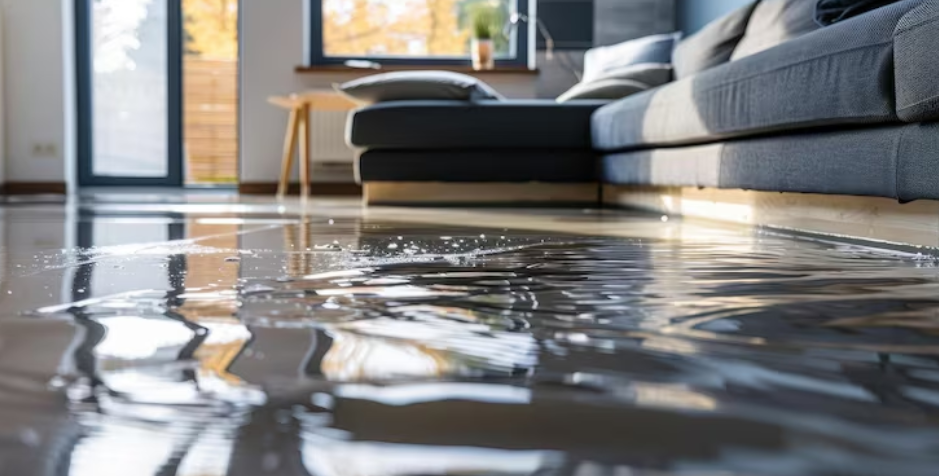
One of the first steps in water damage restoration is removing standing water from the affected areas. Professional restoration teams use suitable pumps, wet vacuums, and other equipment to remove water from floors, basements, and other spaces.
Quick water removal helps prevent moisture from spreading into nearby rooms and building materials. It also makes the remaining cleanup and drying process easier. Taking prompt action can reduce repair costs and help homeowners avoid more serious structural problems.
Drying and Dehumidifying the Home
Removing visible water is not enough to restore a property completely. Moisture can remain trapped inside walls, flooring, furniture, and other materials even after the surfaces appear dry. This is why proper drying is an important part of water damage restoration.
Professionals use air movers, dehumidifiers, and moisture detection tools to help dry affected areas. They may also check hidden spaces to identify moisture that is difficult to see. Thorough drying helps protect building materials and lowers the risk of mold development.
Preventing Mold and Unpleasant Odors
Mold can begin growing in damp areas within a short period, especially when moisture remains untreated. It may cause musty odors, damage surfaces, and create indoor air quality concerns. Water damage restoration helps reduce these risks by removing excess moisture and addressing affected materials.
If mold is already present, trained professionals can assess the problem and recommend suitable cleaning or remediation methods. They also work to identify the source of moisture so that the same issue does not continue to affect the home.
Repairing Damaged Walls, Floors, and Furniture
Once the affected areas are clean and dry, the next step is repairing damaged parts of the property. Depending on the level of damage, this may involve replacing drywall, repairing flooring, repainting walls, or restoring cabinets and furniture.
Water damage restoration helps homeowners understand which materials can be saved and which need replacement. A proper assessment supports better repair decisions and helps restore the home’s appearance, function, and comfort.
Improving Home Safety After Water Exposure
Water damage may create safety risks that are not immediately visible. Electrical problems, weakened materials, and contaminated water can make certain areas unsafe. Restoration professionals assess the affected spaces and help ensure that necessary cleaning and repairs are completed safely.
Homeowners should avoid entering areas with standing water if electrical hazards may be present. If the water may contain sewage or other contaminants, professional assessment and appropriate protective measures are especially important.
Conclusion
Water damage can affect both the appearance and safety of a home, but timely action can limit its impact. Water damage restoration helps remove standing water, dry hidden moisture, prevent mold growth, and repair damaged materials. By addressing problems at an early stage and seeking professional help when needed, homeowners can protect their property and restore a clean, safe, and comfortable living space.