
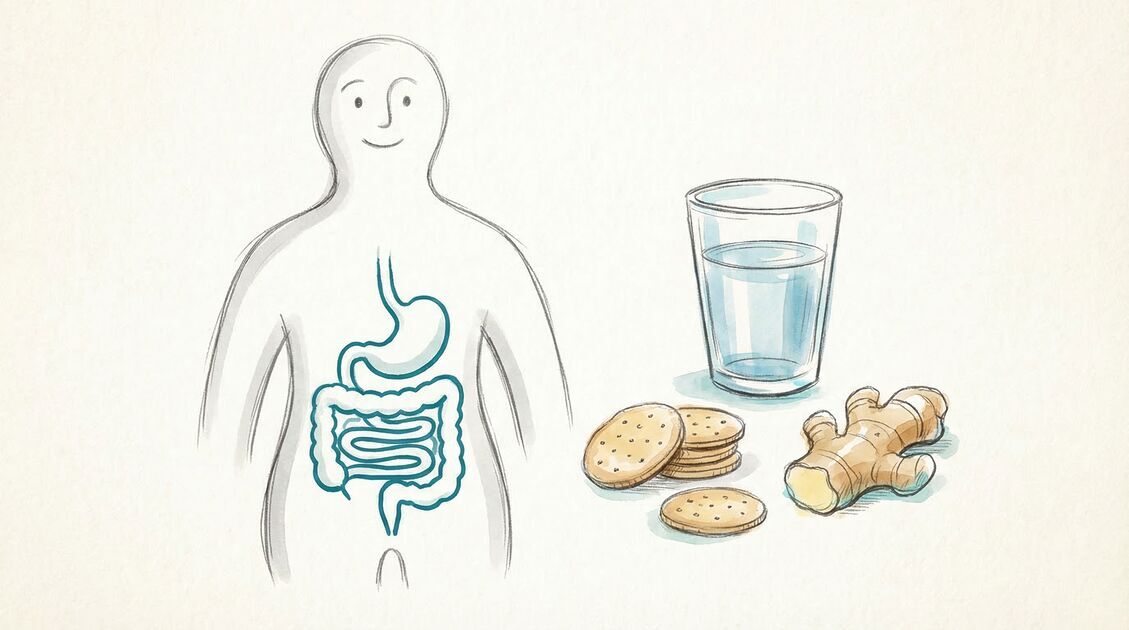
Sudden Digestive Cramps – Track Food Triggers More Carefully

Sudden digestive cramps can be difficult to interpret because abdominal pain has many possible sources. Recording what you ate, when the pain began, where it was located, and which other symptoms appeared can make recurring patterns easier to recognize.
Food tracking can be useful, but a meal that happened before the pain is not automatically the cause. Abdominal symptoms sometimes come from conditions unrelated to food.
Record More Than the Food Name
Writing “pizza caused cramps” leaves out useful detail. Note the amount eaten, meal time, speed of eating, beverages, bowel changes, and how long it took for discomfort to begin.
People comparing online wellness material with their own symptom notes should keep online explanations separate from evidence. A diary records patterns; it does not establish a diagnosis.
Look for Repetition, Not One-Off Events
One uncomfortable meal may be coincidence. A stronger clue appears when a similar symptom repeatedly follows the same food or ingredient under comparable circumstances.
That pattern can give a clinician or dietitian something specific to evaluate. It can also prevent unnecessary elimination of foods based on a single bad day.
Consider What Happens Alongside the Cramps
Bloating, diarrhea, constipation, nausea, fever, or vomiting can change how abdominal cramps should be interpreted. Problems digesting certain carbohydrates, for example, may cause bloating, abdominal pain, and diarrhea after particular foods or drinks.
General food pattern reading may help you think about meal habits, but symptoms that are severe or recurrent should not be explained solely through online food lists.
| Observation | What to Record | Why It Helps |
|---|---|---|
| Timing | Minutes or hours after food | Shows repeat pattern |
| Location | Upper, lower, one side | Improves description |
| Other symptoms | Diarrhea, nausea, fever | Adds medical context |
| Repeated food | Same ingredient each time | Helps test consistency |
Avoid Overly Broad Elimination Diets
Removing several food groups simultaneously can make the results confusing and may create unnecessary nutritional restrictions. A narrower approach is to document symptoms first and discuss repeated patterns with a qualified professional.
People may encounter consumer health content while searching for explanations. Such resources can provide general reading, but they cannot determine whether cramps come from food intolerance, infection, constipation, another digestive problem, or a non-digestive source.
Why One Pain Episode Is Not Enough
The intensity of abdominal pain does not reliably tell you how serious the cause is. MedlinePlus notes that severe pain does not always mean a serious problem, while mild pain does not guarantee that the underlying issue is harmless.
That is why self-diagnosing from pain intensity alone can be misleading. Timing, location, associated symptoms, persistence, and changes over time often provide more useful context than simply rating the pain as mild or severe.
When Digestive Cramps Need Prompt Care
Get medical help immediately for sudden sharp abdominal pain, abdominal pain accompanied by chest, neck, or shoulder pain, vomiting blood, blood in the stool, a hard and tender abdomen, or inability to move the bowels when vomiting is also present. These are warning signs identified by MedlinePlus.
Milder pain that persists or repeatedly returns should also be discussed with a health professional rather than managed indefinitely with food avoidance.
Frequently Asked Questions
How long should I track food before deciding it is a trigger?
There is no single tracking period that proves a food is responsible. Look for repeated associations and discuss persistent patterns with a clinician or dietitian, especially before removing major food groups.
Can food intolerance cause cramps and diarrhea?
Yes. Difficulty digesting certain carbohydrates, including lactose or fructose in susceptible people, can be associated with abdominal pain, bloating, and diarrhea after consuming particular foods or drinks.
Should I worry if stomach cramps are sudden?
Sudden cramps deserve more attention when they are sharp, severe, rapidly worsening, or accompanied by bleeding, persistent vomiting, a rigid tender abdomen, or other significant symptoms. Seek prompt medical assessment in those situations.
Turn Symptom Tracking Into Useful Evidence
A food diary works best when it captures timing, amount, associated symptoms, and repeated patterns rather than blaming the last thing you ate. Use that record to guide a focused discussion with a health professional. Sudden digestive cramps that are intense, recurring, unexplained, or paired with warning signs deserve proper evaluation rather than increasingly restrictive eating.
This article is for general informational purposes and is not a substitute for professional medical advice, diagnosis, or treatment.