
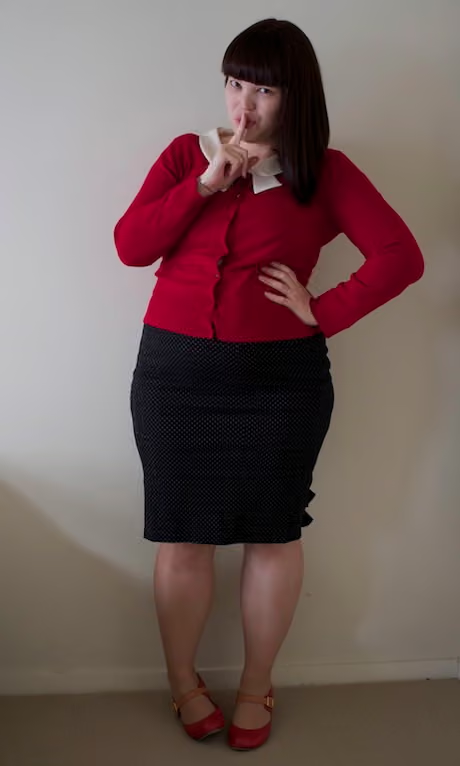
Gaping Shirt Buttons: Improve Fit Without Extra Exposure

Gaping shirt buttons usually mean the front of the shirt is under tension at one or more points. The cause may be insufficient bust or chest room, button spacing, fabric movement, or a cut that does not match your proportions. Solving the problem means reducing tension while keeping the shirt comfortable rather than relying only on stronger buttons.
Find the Exact Point of Pulling
Button the shirt normally and stand naturally. Look for horizontal lines spreading from the button area or sections where the two front panels separate.
The problem may occur at one button rather than across the entire shirt. Material choice can also affect how visible the issue becomes, which is why garment fabric insights can be useful when comparing how softer and more structured materials behave.
Check Fit While Sitting
A shirt that stays closed while standing may gape when you sit, reach forward, or move your arms.
Test the garment in those positions before deciding it fits properly. Clothing needs enough ease for movement, not merely enough fabric to button once.
Choose More Room Through the Chest
If the shirt pulls strongly across the bust or chest, a fuller cut is often the cleanest solution. Sizing up may help, but it can also create excess fabric through the shoulders and waist.
Different shirt fit concepts illustrate why shaping through seams and darts can matter more than the number on the size label. A shirt designed for more chest room can remain fitted elsewhere without excessive pulling.
| Problem | Visible Clue | Possible Fix |
|---|---|---|
| Tight chest | Horizontal pull lines | Try fuller cut |
| Wide button spacing | Gap between buttons | Add hidden fastener |
| Loose waist | Extra side fabric | Tailor waist |
| Fabric shifting | Intermittent opening | Use fashion tape carefully |
Add Discreet Closure Support
For a shirt that otherwise fits well, small hidden solutions can reduce exposure. A snap sewn between two existing buttons can keep the placket together without changing the outside appearance.
Double-sided clothing tape may work for occasional wear, although it is less permanent. Coordinated styling references may also inspire layering options such as camisoles when you want extra coverage without altering the shirt.
Repositioning a Button Can Sometimes Help
Moving one button slightly can improve tension in a specific area, but avoid shifting it so far that the placket becomes crooked.
A tailor can judge whether adding an extra hidden button or adjusting the existing spacing will produce a cleaner result.
Common Fixes That Create New Problems
Replacing a button with a stronger one does not solve a shirt that is fundamentally too tight. The fabric remains under tension and may still wrinkle or pull even if the button stays closed.
Pinning the shirt permanently from the inside can also restrict movement. And repeatedly using safety pins may damage delicate fabric.
If gaping happens across several buttons, treat it as a fit issue first rather than a fastening problem.
Frequently Asked Questions
Why does my button-down shirt gape only at the chest?
The shirt may have enough room through the waist and shoulders but insufficient volume through the chest. A different cut or additional shaping can improve the balance.
Can a tailor fix shirt gaping?
Often, depending on the cause. A tailor may add hidden snaps, adjust darts, modify button placement, or reshape certain seams.
Does fashion tape stop button gaping?
It can provide temporary support for minor gaps, but it will not correct significant tension caused by a shirt that is too small through the chest.
Solve the Tension, Not Only the Gap
Begin by identifying whether the problem comes from fit, button spacing, or movement. If the shirt is genuinely too tight, choose more room before adding hidden closures. Small fastening fixes work best when the underlying fit is already comfortable and balanced.