
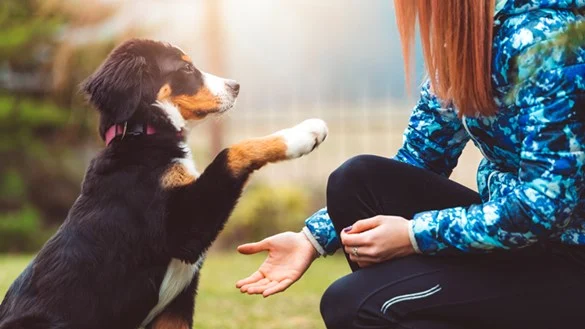
Master the Dog Competition Obstacle Course with Expert Tips

Training a dog to excel in a dog competition obstacle course goes far beyond basic obedience commands. These courses challenge dogs to navigate a variety of obstacles, including jumps, weave poles, tunnels, and contact equipment, often at high speed. Success depends on precision, focus, confidence, and a strong connection between dog and handler. Each dog responds differently to training methods, making it essential to implement strategies tailored to individual personalities and skill levels.
Structured routines, positive reinforcement, and gradual difficulty increases allow dogs to learn efficiently without becoming overwhelmed or discouraged. Observing how dogs adapt to challenges provides valuable insight into their strengths and areas that need improvement. Whether competing for fun or aiming for championships, owners and trainers who master these methods can maximize performance, boost confidence, and ensure every run is smooth, accurate, and competitive.
Understanding the Dog Competition Obstacle Course
Before diving into training, understanding the structure of a dog competition obstacle course is crucial. Courses are designed to test multiple skills simultaneously, including speed, agility, obedience, and problem-solving. Common obstacles include:
- Jumps: Single bar jumps, double jumps, and tire jumps require both timing and precision.
- Tunnels: Flexible or rigid tunnels test a dog’s willingness to follow directions and confidence in enclosed spaces.
- Weave Poles: Dogs must weave through poles in a specific sequence, demanding focus and coordination.
- Contact Equipment: A-frames, dog walks, and seesaws challenge balance and control.
Each obstacle requires not only physical ability but also mental sharpness. Dogs must remember sequences and respond quickly to handler cues. Understanding how obstacles function and how judges score each section helps trainers focus on critical areas during practice.
Core Skills Needed for Competition Success
Training a dog for an obstacle course requires developing key skills that are foundational to high performance:
- Agility and Speed: Quick reflexes and nimble movements allow dogs to complete courses efficiently.
- Focus and Discipline: Training must reduce distractions and ensure dogs follow instructions even in chaotic environments.
- Confidence: Confidence prevents hesitation, which is crucial for complex obstacles.
- Handler Communication: Clear signals from the handler guide the dog seamlessly from one obstacle to the next.
Dogs that excel typically combine these skills with natural athleticism, but even less naturally agile dogs can achieve great results with structured training and consistent practice.
Training Techniques to Boost Performance
Implementing the right training techniques can dramatically improve performance on a dog competition obstacle course. Effective strategies include:
- Incremental Learning: Introduce obstacles individually before combining them into sequences. Gradually increasing complexity ensures dogs learn without frustration.
- Short, Consistent Sessions: Dogs retain knowledge better during brief, frequent sessions rather than long, exhausting practices.
- Positive Reinforcement: Treats, toys, and praise reinforce correct behaviors, boosting motivation and enjoyment.
- Simulated Competitions: Practice under conditions similar to actual events, including timed runs and distractions, to prepare dogs mentally for the real competition.
In addition to these techniques, incorporating mental stimulation exercises such as puzzle toys or scent games helps improve problem-solving skills and focus, which directly translates to better course performance.
Avoiding Common Training Mistakes
Even experienced trainers sometimes make errors that can hinder progress. Common mistakes to avoid include:
- Overloading the Dog: Introducing too many obstacles at once can overwhelm dogs, reducing confidence and focus.
- Ignoring Communication Cues: Dogs rely on subtle signals from handlers. Missing or inconsistent cues can confuse them.
- Skipping Warm-Ups: Like athletes, dogs need warm-ups to prevent injuries. Short walks or light exercises prepare muscles for intense activity.
- Focusing Only on Speed: Precision matters as much as speed. Incorrect or sloppy runs can result in penalties and poor scores.
By recognizing and addressing these mistakes early, training becomes more efficient, safer, and enjoyable for both dog and handler.
Equipment and Environment for Training Success
Choosing the right equipment and environment is vital for optimal training:
- Certified Agility Equipment: Use competition-standard jumps, tunnels, and contact equipment to simulate real conditions.
- Safe Surfaces: Non-slip flooring reduces injury risk, while varied textures improve adaptability.
- Obstacle Rotation: Regularly changing obstacle order prevents boredom and encourages adaptability.
- Outdoor vs. Indoor Training: Both environments offer unique benefits. Outdoor training introduces distractions, while indoor sessions provide controlled conditions for refining skills.
Investing in high-quality equipment and carefully selecting training environments sets dogs up for long-term success and reduces the risk of injury or burnout.
Building a Structured Training Plan
Consistency is key to mastering a dog competition obstacle course. A structured plan might include:
- Daily Warm-Ups: Light exercise and basic obedience commands prepare the dog physically and mentally.
- Skill Focus Days: Rotate focus between jumps, tunnels, weave poles, and contact equipment to ensure balanced development.
- Sequence Training: Gradually combine obstacles into short sequences before attempting full courses.
- Performance Evaluation: Record sessions to identify strengths, weaknesses, and progress over time.
- Rest and Recovery: Just like human athletes, dogs need downtime to recover and prevent burnout.
Structured planning ensures that training sessions remain productive and aligned with competition goals.
Mental and Physical Conditioning for Peak Performance
A dog’s success depends as much on mental readiness as physical fitness:
- Endurance Training: Gradually increase running distances to improve stamina.
- Focus Drills: Practice commands under distraction to strengthen attention and discipline.
- Confidence Exercises: Encourage risk-taking on new obstacles to prevent hesitation during competition.
- Handler Awareness: Train handlers to give clear, concise cues and maintain consistent communication with their dog.
A well-conditioned dog demonstrates better agility, precision, and resilience under pressure. Mental preparedness often distinguishes winners from the rest of the pack.
Tracking Progress and Setting Goals
Monitoring improvement and setting measurable goals keeps training purposeful:
- Use Timed Runs: Track completion times to measure speed improvements.
- Observe Obstacle Accuracy: Note errors like missed contacts or skipped poles to target training adjustments.
- Celebrate Milestones: Reward incremental achievements to maintain motivation.
- Plan Long-Term Goals: Align training with specific competition dates and desired outcomes.
Structured tracking allows handlers to identify trends, adjust strategies, and ensure continuous growth toward peak performance.
Inspiring Dogs Through Motivation
Motivation is central to success in a dog competition obstacle course. Dogs respond best when training is enjoyable and rewarding:
- Use Favorite Toys: Incorporate tug toys or fetch as a reward after completing challenging obstacles.
- Positive Reinforcement: Treats and verbal praise strengthen desired behaviors.
- Variety in Training: Switching obstacles and sequences keeps sessions interesting and engaging.
- Interactive Games: Play agility-inspired games outside formal training to reinforce skills informally.
A motivated dog is more focused, confident, and willing to push through challenges key traits for competitive success.
Conclusion
Excelling in a dog competition obstacle course requires a combination of strategic training, mental conditioning, and consistent practice. Understanding the obstacles, mastering essential skills, and implementing structured routines ensures that dogs perform confidently and accurately under competition conditions. Avoiding common mistakes, selecting the right equipment, and maintaining safe, engaging environments protects both dog and handler while promoting continuous improvement.
Motivation, positive reinforcement, and careful goal-setting transform the training experience into a rewarding journey. Tracking progress, celebrating milestones, and simulating competition conditions prepare dogs for real-world events, while structured rest and recovery prevent burnout and injury.
Dogs that master agility courses not only achieve high rankings but also enjoy a stimulating, enriching experience that strengthens the bond between handler and canine. With guidance from Rob’s Dog Training, anyone can combine knowledge, patience, and strategic planning to help a dog navigate obstacle courses with confidence, precision, and speed turning potential into measurable success.