
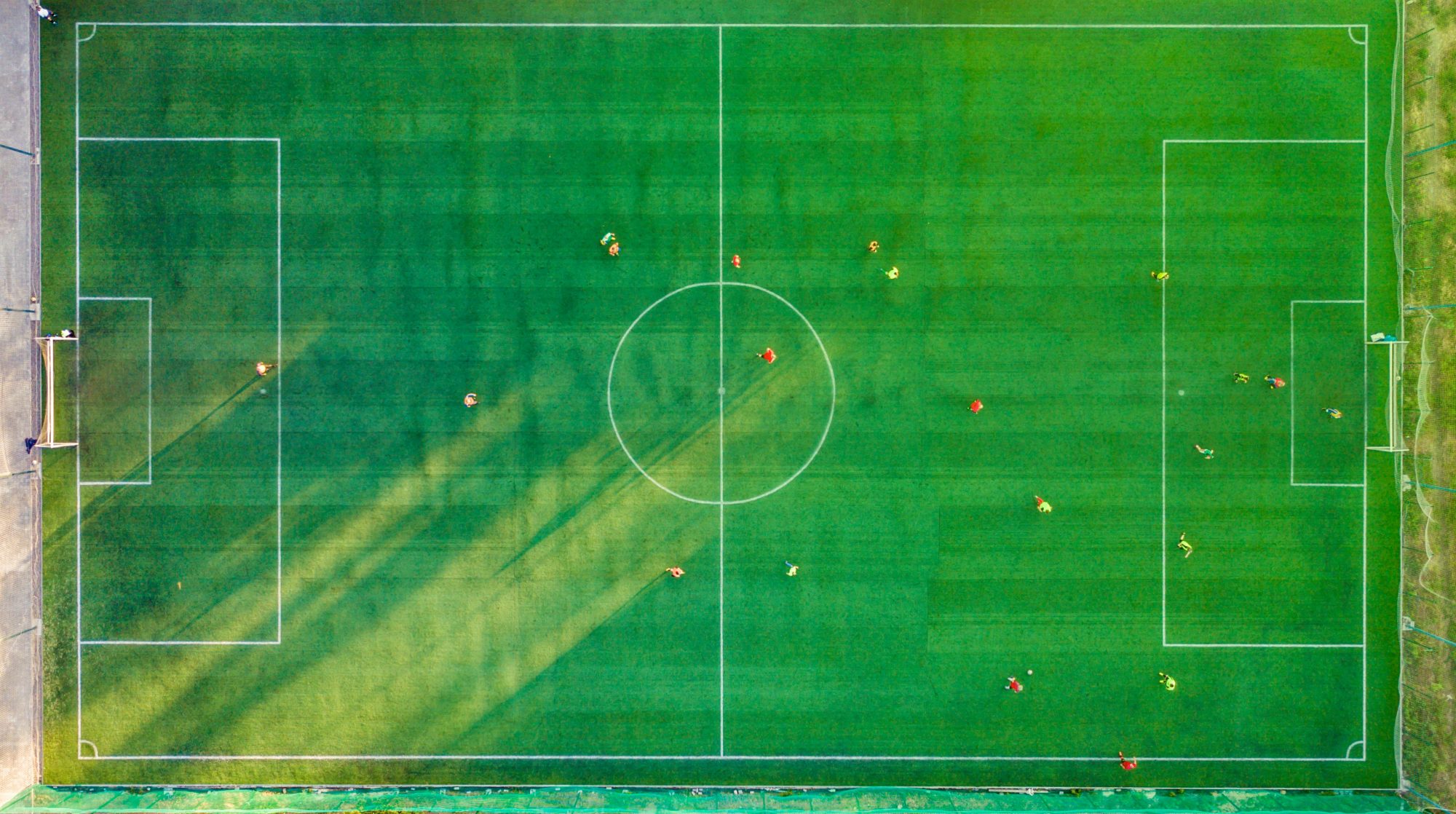
Weak Defensive Positioning – Read Play Before Chasing Opponents

Defenders don’t need to win every challenge to defend well. Weak defensive positioning often causes problems before a tackle is even possible, leaving players chasing opponents from poor angles. Better defending starts with reading the ball, protecting dangerous space, and adjusting position early enough to delay or redirect the attack.
Position Yourself Before the Pass Arrives
Watch both the ball carrier and the space an opponent may attack. Standing too close to one player can make it easy for a single pass to remove a defender from the move.
Keep the body slightly side-on so you can react in either direction. Players following football team concepts can apply this simple positioning habit across defensive roles.
Protect the Most Dangerous Route
A defender doesn’t always need to stand directly between an opponent and the ball. The better position often blocks the route toward goal while leaving the attacker a less threatening option.
That requires patience. Charging forward can create the very space the defender was meant to protect.
Learn When to Delay Instead of Tackling
If support hasn’t arrived, slowing the attacker may be more useful than attempting an immediate challenge. Stay balanced, match the attacker’s movement, and avoid committing the body too early.
General competitive sports coverage may highlight dramatic tackles, but effective defenders often solve situations with positioning before a tackle becomes necessary.
| Defensive Situation | Useful Response | Main Goal |
|---|---|---|
| Attacker facing forward | Close space carefully | Slow progress |
| Attacker near touchline | Show outside | Limit options |
| Numerical disadvantage | Delay | Wait for support |
| Loose pass | Step forward | Intercept safely |
Read Cues From the Ball Carrier
Heavy touches, downward glances, and awkward body positions can create opportunities to step in. A defender who recognizes those cues can act earlier instead of reacting after the attacker has already accelerated.
Studying football tactical thinking can support this awareness, but players should also practice live one-versus-one and small-sided situations where decisions happen quickly.
Check Behind You
Defenders can become so focused on the ball that they lose runners approaching from blind-side positions. Quick shoulder checks help maintain awareness of both immediate and developing threats.
Communication from teammates also reduces surprises.
Move as a Unit
Individual positioning improves when defenders understand the location of nearby teammates. If one player steps forward, another may need to cover the space behind.
Small-sided games are especially useful because positioning errors become obvious. Players can quickly see when the defensive line stretches too far apart.
Why Chasing the Ball Creates More Problems
A common defensive mistake is treating the ball as the only threat. Sprinting toward every pass can open central spaces and allow opponents to play around the pressure. Another error is diving into tackles simply because an attacker is nearby.
Good defending often looks less dramatic. Staying balanced, delaying the attack, and guiding play away from danger can remove options without winning the ball immediately.
Frequently Asked Questions
How close should I stand to an attacker?
The correct distance depends on speed, location, and whether the attacker controls the ball cleanly. Stay close enough to apply pressure without getting beaten by one simple touch.
Should defenders watch the ball or the player?
Both matter. Use peripheral vision and regular scanning to track the ball, the direct opponent, and nearby runners rather than staring exclusively at one target.
How can I practice defensive positioning alone?
Use match video to study positioning and rehearse footwork around cones. Live partner or small-sided practice is still important because real defending depends on reading unpredictable movement.
Defend the Space Before the Player
Stronger positioning begins with earlier decisions. Protect the dangerous route, stay balanced, check nearby runners, and recognize moments when delaying is better than tackling. A defender who reads the next action can arrive prepared instead of spending the entire match trying to recover from a late reaction.