
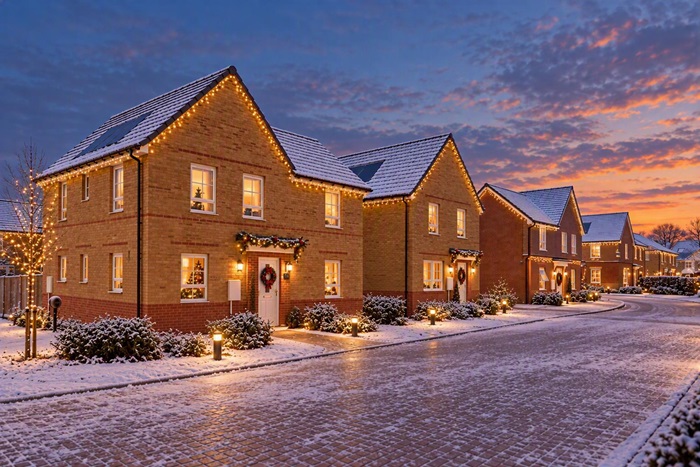
New-Build Homes in Thatcham: Is It the Right Time to Buy?

Thatcham, in West Berkshire, continues to attract homebuyers looking for modern homes, good local amenities and convenient transport links. New-build developments are particularly appealing to buyers who want contemporary layouts, energy-efficient features and less maintenance.
But buying a new build is about more than falling for the show home. Your budget, your mortgage, how long you’ll stay and what the local market is doing all matter, and weighing them up is how you decide whether now is the right moment.
Local estate agents in Thatcham deal with new-build and second-hand sales every week, so they know what homes on a particular estate are really selling for, how resale values are holding up and whether a developer’s “discount” is as generous as it sounds. With that in mind, here’s how to think it through.
Why Thatcham keeps turning heads
Thatcham sits just east of Newbury, with the Kennet and Avon Canal, the Nature Discovery Centre and plenty of open countryside close by. The town has its own railway station, with services towards Reading and London, and the M4 is a short drive away. Newbury is right next door for bigger shops and restaurants.
It’s a practical mix: green space, decent transport and a more relaxed feel than some of the busier towns nearby. For buyers who want room to breathe without losing their connection to work, it can feel like a smart compromise rather than a second choice.
What you’re really paying for with a new build
A new home usually costs more than a comparable older one, and that premium is normal. In return, you get a modern, energy-efficient property with a warranty, a layout designed for how people live now and little that needs fixing on day one.
For plenty of buyers, that peace of mind is the whole point. No new boiler to worry about, no damp surprises, no kitchen from 1994. For others, the extra cost feels hard to justify, especially if an older home nearby offers more space or a bigger garden. Neither choice is wrong. It just needs to match what matters to you.
The case for buying now
Borrowing has become easier to stomach than it was during the peak of the rate rises, and while deals change all the time, many buyers feel more confident about planning their monthly costs. The wider property market has also steadied. Fewer frantic bidding wars mean more time to think, compare and negotiate.
Developers can be flexible, too. It’s worth asking about incentives, such as help with legal fees, flooring or a contribution towards your deposit. In a calmer market, those extras can be worth more than a small cut to the asking price.
Running costs are another plus. Modern homes are generally better insulated, so heating bills tend to be lower, and your maintenance budget in the early years can stay modest.
The case for waiting
A new-build premium can fade quickly once you’ve moved in. Resale values depend on what else is for sale nearby, and if several similar homes come to market at once, you may find yourself competing with your own neighbours.
Then there’s the finish. Snagging issues, such as scratched worktops, poor sealing and doors that won’t quite close, are common, so a professional snagging inspection is worth paying for. Completion dates can slip, too, so don’t commit to selling your current home until the date is firm.
And check the small print. Many estates charge an annual fee to maintain roads, green spaces and play areas, and some new homes, particularly flats, are sold leasehold. Ask early about tenure and charges, and read the paperwork carefully.
What to ask before you sign
Don’t leave the sales office without clear answers to a few things. What’s the realistic completion date? What incentives are on offer, and are they in writing? What does the warranty cover, and how are defects handled? What fees will you pay after you move in? And what’s planned for the rest of the development? Years of building work next door can change daily life more than you’d expect.
It’s also smart to compare a new build with a nearby second-hand home. A three-bed resale with a bigger garden might give you more space for your money, while a new build gives you lower bills and fewer jobs on day one. It comes down to what you value more.
Think about how long you’ll stay
This is the question people skip. If you plan to stay five years or more, the short-term ups and downs of the market matter less, and a home built to modern standards can be a comfortable, low-stress place to settle. If there’s a good chance you’ll move again within a couple of years, the numbers need more care, because selling early is where a new-build premium can hurt.
Be honest about your finances, too. Leave yourself a cushion for furniture, curtains, garden work and the countless small costs that come with a fresh start. A new build rarely arrives with everything you need.
So, is it the right time?
If you have a stable income, a deposit you’re comfortable with and plans to stay put for a while, conditions are encouraging. The market is calmer, buyers have more room to negotiate and there’s a decent range of homes to choose from.
If you’re stretching to your limit, or your plans are uncertain, tread more carefully and take advice before you reserve.
Either way, take your time. Visit more than once, bring a friend with a sharper eye than yours, and let the facts, not the flattering show-home lighting, make the decision.