
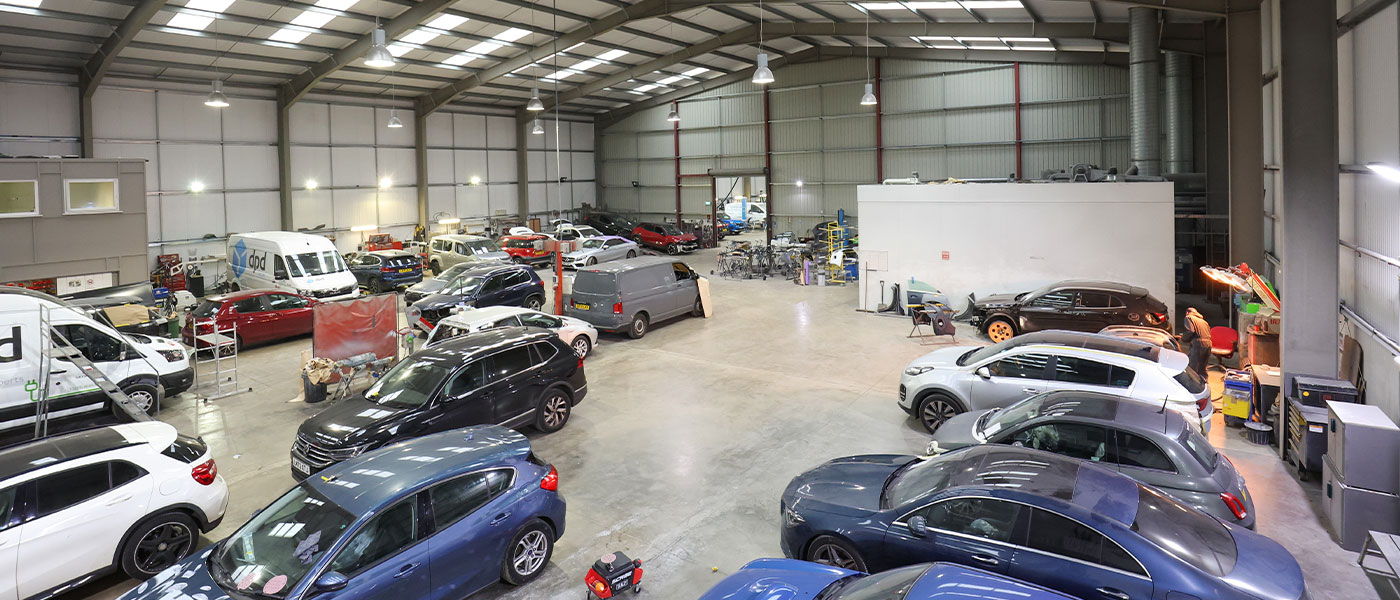
Insurance Approved Body Shop Essex

Vehicle damage can happen unexpectedly, whether through a road incident, parking impact, or everyday wear. When repairs are required, quality and process matter significantly. Choosing an Insurance Approved Body Shop Essex often gives drivers reassurance that repair standards, assessment procedures, and workmanship follow recognised expectations.
What Insurance Approved Status Means
The phrase insurance approved generally refers to repair centres that meet certain operational and service expectations required by insurers or claims management networks. This can include facility standards, repair procedures, documentation processes, and consistency in workmanship.
For vehicle owners, this often means the repair process follows a more structured approach. Damage assessment, repair authorisation, parts management, and refinishing are typically handled through established procedures designed to maintain quality and efficiency.
Why Repair Standards Matter
A vehicle may appear to have minor damage after an incident, yet hidden concerns can exist beneath the surface. Cosmetic dents, cracked bumpers, or scratched paint may only represent part of the issue. Structural alignment, mounting points, and connected systems may also require attention.
Professional repair standards help ensure that these less obvious concerns are identified and corrected properly. A complete repair protects both appearance and vehicle integrity.
The Initial Inspection Process
Every quality repair begins with a detailed assessment. This stage determines the scope of damage and helps define the correct repair plan. Technicians inspect panels, alignment points, surrounding body sections, and visible structural areas.
Accurate assessment prevents incomplete work and reduces the risk of overlooked damage. It also helps create realistic timelines for repair completion.
Structural Restoration After Impact
Even lower speed incidents can affect structural positioning. Small shifts in alignment may influence panel fitment, handling, or long term wear. Correcting these issues requires proper measurement and accurate adjustment.
Structural restoration focuses on returning the vehicle as closely as possible to its intended form. This stage is essential for maintaining roadworthiness and dependable operation.
Panel Repairs and Replacement Decisions
Not every damaged panel requires replacement. Some dents and deformations can be restored using professional repair techniques. Others may require replacement depending on the severity of the damage and the material involved.
The correct decision depends on inspection findings. Effective repair work balances practicality, quality, and long term durability.
Correct fitment is equally important. Doors, bonnets, wings, and bumpers should align evenly with surrounding components. Poor fitment can affect both appearance and function.
Surface Preparation and Paint Refinishing
Surface preparation remains one of the most important stages in body repair. Before refinishing begins, damaged sections must be cleaned, smoothed, primed, and prepared correctly.
A rushed preparation process often leads to visible imperfections later. Professional standards focus on creating the correct base for paint application.
Refinishing then restores visual consistency. Modern colour matching techniques allow repaired areas to blend naturally with existing paintwork. This helps preserve the overall appearance of the vehicle.
Why Controlled Workshop Conditions Matter
Paint application and finishing require stable working conditions. Lighting, airflow, and environmental consistency all affect final results.
Controlled workshop environments allow technicians to identify imperfections during the process and apply refinishing materials more evenly. These conditions contribute to stronger durability and cleaner presentation.
Managing Claims Related Repairs
Repairs connected to insurance processes often involve additional administration. Documentation, inspection approval, and communication between parties may be required before work proceeds.
A structured repair environment helps manage these requirements efficiently. Organised processes reduce confusion and support smoother repair progression.
Role of Skilled Technicians
Modern equipment improves measurement accuracy and repair efficiency, but technician experience remains critical. Understanding material behaviour, repair methods, and correct finishing techniques comes from practical knowledge.
Skilled technicians know when repair is appropriate, when replacement is necessary, and how to maintain consistent standards across every stage of the process.
Protecting Vehicle Value
Poorly completed repairs can reduce resale confidence. Visible paint mismatch, uneven panel gaps, and inconsistent finishing may suggest low repair quality.
Professional repairs help preserve value by restoring condition more effectively. A clean, properly repaired exterior creates stronger long term presentation.
Common Repair Misconceptions
Some drivers assume cosmetic damage is only visual. In reality, impact damage may affect deeper areas. Others believe quick low cost repairs provide the same outcome as professional restoration.
Inconsistent workmanship often becomes visible over time. Proper repair processes focus on durability rather than short term appearance alone.
Long Term Benefits of Proper Repair Work
Quality repairs support more than appearance. Correct alignment, protected surfaces, and consistent finishing help maintain vehicle usability and ownership confidence.
Timely attention also prevents secondary issues such as corrosion, worsening fitment, or surface deterioration.
Conclusion
Vehicle repair requires more than simple cosmetic correction. Inspection, structural accuracy, panel restoration, refinishing, and quality control all contribute to dependable outcomes. Choosing an Insurance Approved Body Shop Essex often reflects a preference for organised processes, recognised standards, and consistent workmanship that supports both vehicle condition and long term reliability.