
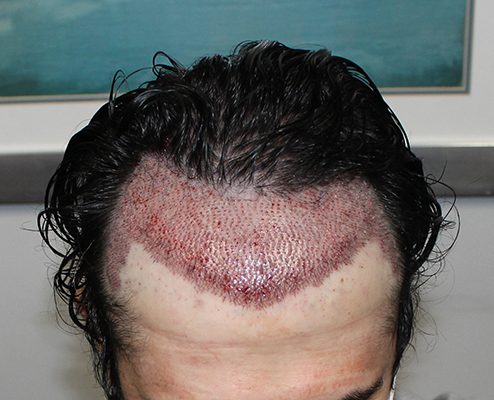
Hair Transplant For Men And Women: Understanding Different Restoration Needs

Both men and women experience hair loss, but the causes and methods of treatment might differ greatly. Some individuals detect major changes in hair density or receding hairlines, while others suffer progressive thinning. Potential remedies for various patterns of hair loss are provided by contemporary hair restoration procedures. However, before contemplating a method, it is crucial to comprehend the distinct requirements of males and women. The treatment strategy is influenced by a number of factors, including personal expectations, hormonal fluctuations, scalp health, and heredity.
Various Methods For Men’s Hair Restoration
Rebuilding their frontal hairline, enhancing crown coverage, or restoring density in regions impacted by pattern baldness are common goals for men considering hair restoration.
Hair transplants UK are becoming more and more popular as individuals look for longer-term solutions and become more interested in surgical hair restoration. However, the development of hair loss and the availability of donor hair must be carefully considered when selecting a suitable technique.
Follicular Unit Extraction, or FUE, is the process of removing individual follicular units from a donor region and transplanting them into thinning areas. Another technique known as Follicular Unit Transplantation involves removing a strip of scalp tissue in order to get follicular units.
Individual conditions, such as the degree of hair loss, scalp features, and treatment objectives, determine the best course of action.
Women’s Particular Hair Transplant Considerations
Hair loss patterns are often more widespread; women who are contemplating hair transplantation may need a different approach to therapy.
Some women also suffer thinning in possible donor locations, in contrast to males who often maintain rather thick hair along the sides and back of the head. Their suitability for transplantation may be impacted by this.
Women who are suffering extensive progressive thinning may not be as good prospects as those who have consistent, localised hair loss.
To determine potential hormonal, nutritional, or dermatological reasons, a thorough medical evaluation is especially crucial. In some cases, treating an underlying ailment may be preferable to surgical restoration.
Recognising Treatment Costs And Long-Term Benefits
Another crucial factor to take into account while considering hair restoration techniques is financial preparation. The amount of grafts needed, the surgical method, the clinic’s location, and the medical staff’s expertise may all affect the hair transplant costs.
More grafts may be needed for men who require substantial coverage than for someone who wants to repair a smaller region. In a similar vein, ladies who need specific increases in hair density can need distinct treatments.
Patients should think about clinical standards, follow-up treatment, surgeon credentials, and reasonable expectations rather than only pricing. Better total value is not always indicated by a lower starting price.
Selecting An Appropriate Hair Restoration Facility
A crucial first step for anybody thinking about surgical hair restoration is choosing a licensed facility.
Clinics that provide various methods, consultation procedures, and treatment plans may be found by anyone looking for hair transplants London. Patients may make well-informed choices by carefully weighing these possibilities.
An evaluation of the condition of the scalp, donor hair density, medical history, and potential hazards of hair loss should all be part of a thorough consultation.
As natural hair loss worsens, patients should also talk about possible consequences, recuperation needs, and the potential need for further therapy.
Healing And Anticipated Hair Growth
Depending on the method used and the degree of transplantation, recovery experiences might vary.
Following surgery, there may be brief redness, edema, and scabbing. Before new growth starts, transplanted hairs often shed in the early stages of recuperation.
While more comprehensive outcomes may take a year or more, noticeable changes often appear gradually over many months.
Attending suggested checkups, according to medical aftercare guidelines, may promote appropriate recovery and aid in the early detection of problems.
Conclusion
Hair transplantation may be a possibility for certain men and women who are experiencing hair loss, but successful treatment begins with understanding each patient’s specific restoration needs. The treatment is affected by variations in hair loss trends, scalp health, donor hair availability, and long-term goals. Achieving natural-looking outcomes requires thorough treatment planning, professional evaluation, and reasonable expectations. People may make informed judgements about their options when they approach hair restoration with proper information and competent medical advice.