
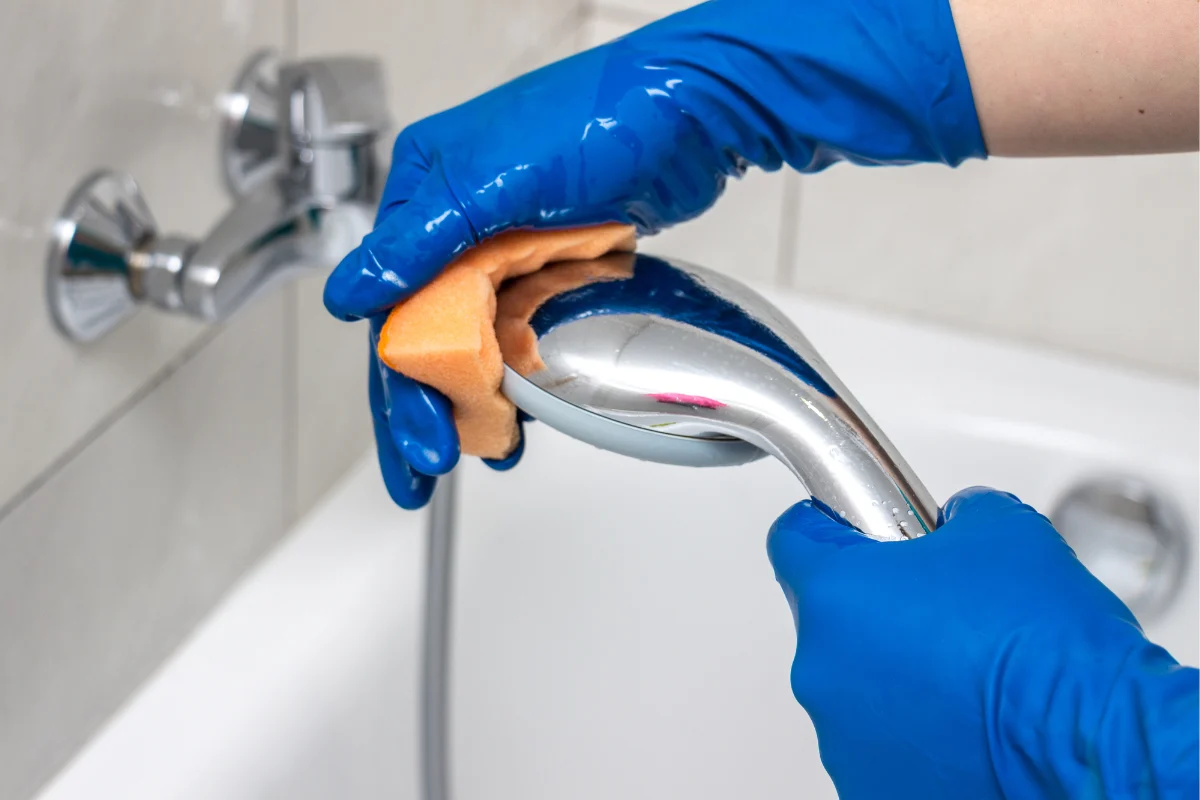
Low Shower Pressure: Restore Stronger Water Flow Easily

Weak shower flow does not always mean the house has poor water pressure. Low shower pressure can come from a clogged showerhead, partly closed valve, restricted fixture, or broader plumbing problem. The quickest troubleshooting method is to determine whether the weakness is limited to the shower or appears at other fixtures too.
Compare the Shower With Other Fixtures
Turn on a nearby sink and compare the flow. If faucets around the home feel normal but the shower is weak, the restriction is probably close to the shower fixture.
If several fixtures suddenly have poor flow, check whether a main or branch shutoff valve was recently moved. A wider pressure change may require more investigation than cleaning one showerhead.
| Pressure Pattern | Likely Area | First Action |
|---|---|---|
| Only shower is weak | Showerhead | Inspect openings |
| Hot side is weaker | Valve or supply | Compare temperatures |
| Several fixtures weak | Main supply | Check valves |
| Flow changed suddenly | Recent restriction | Review recent work |
Inspect and Clean the Showerhead
Unscrew the showerhead if it can be removed without excessive force. Check the inlet screen and spray openings for mineral buildup or loose debris.
Small repair jobs are easier to track when they are part of an overall maintenance routine, and some homeowners keep those notes alongside bathroom upkeep ideas. What matters here is clearing the actual water path rather than enlarging spray holes with sharp tools.
Soaking removable mineral-crusted components in an appropriate descaling solution can help dissolve deposits. Rinse thoroughly before reinstalling them.
Check Valves Before Replacing Parts
Make sure accessible shutoff valves are fully open if they are designed to remain open during normal operation. Do not force a corroded valve that appears stuck.
If the shower uses a pressure-balancing or thermostatic valve, internal components can sometimes become restricted by debris. General water fixture planning may be useful when organizing future upgrades, but opening an in-wall valve is more involved than cleaning a showerhead.
If you’re unfamiliar with the valve design, identify the manufacturer and model before removing trim or cartridges.
Separate Flow Problems From Supply Problems
A showerhead is designed to control flow, so comparing water with and without it can be informative where the fixture can be safely removed. If flow improves substantially with the head removed, the restriction is likely in the showerhead itself.
Regular bathroom fixture care habits can include checking spray patterns for gradually blocked nozzles. Slow mineral buildup is easy to miss because pressure often declines little by little.
If flow remains weak without the showerhead, the restriction may lie in the shower valve, piping, or water supply.
Why Replacing the Showerhead May Not Fix It
A new showerhead cannot correct every low-flow problem. If the restriction is inside the valve or the whole house has weak pressure, changing the visible fixture may produce little difference.
Another common mistake is removing internal flow-control parts without knowing whether doing so violates local plumbing requirements or the fixture’s design. Damaging spray nozzles with metal objects can also create an uneven pattern rather than improving usable pressure.
Frequently Asked Questions
Why did my shower pressure suddenly become weak?
A sudden change may follow valve adjustment, plumbing work, debris entering the fixture, or a shower cartridge problem. Compare other fixtures first to determine whether the issue is local.
Can a dirty showerhead reduce water pressure?
Yes. Mineral deposits and debris can restrict the small openings in a showerhead, making the spray feel weak even when supply pressure elsewhere remains normal.
What if both hot and cold shower pressure are low?
Weak flow on both sides may point toward the showerhead, shared valve components, or the water supply. Checking nearby fixtures helps determine how far the problem extends.
Trace the Restriction Before Buying Anything
Start with comparison rather than replacement. Check nearby fixtures, clean the showerhead, verify accessible valves, and observe whether water flow improves with the showerhead removed. If the restriction appears to be inside the wall or affects several fixtures throughout the home, professional plumbing evaluation may be more efficient than swapping visible shower parts repeatedly.