
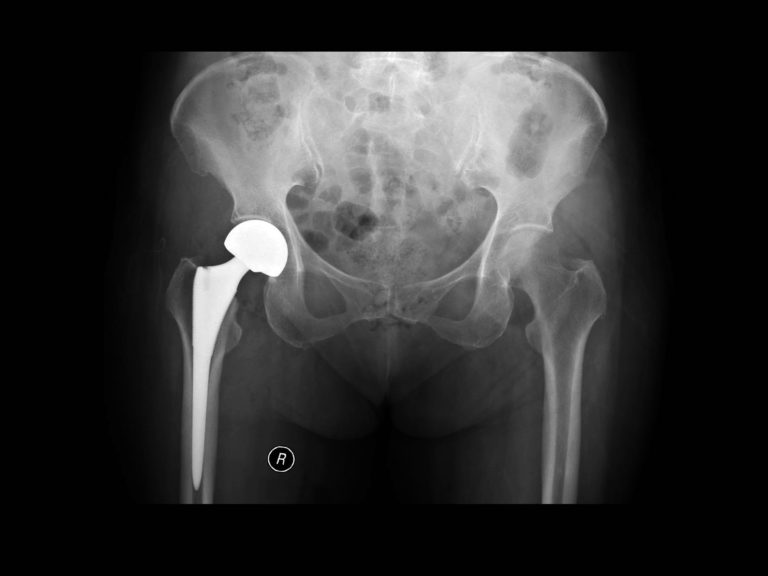
Private Hip Replacement in the UK: How Much Does It Cost and What Does the Price Include?

Hip pain can have a significant impact on everyday life. For people experiencing persistent discomfort, stiffness and reduced mobility, hip replacement surgery may eventually become an option.
Many patients receive treatment through the NHS, while others explore private hip replacement, either through private medical insurance or by paying for treatment themselves.
For patients considering the self-pay route, one of the first questions is how much a private hip replacement costs in the UK. Understanding the different pricing arrangements, what a treatment package includes and which additional expenses may arise can help patients make a more informed decision.
How much does private hip replacement cost in the UK?
The cost of private hip replacement varies according to the hospital, consultant, location and individual treatment requirements.
The Private Healthcare Information Network (PHIN) publishes average self-pay package prices for hip replacement across different UK locations. Its figures are based on publicly available pricing information collected in March 2026 and cover each city centre and the surrounding 25 miles.
The following examples illustrate the differences between locations:
| Location | Average package price |
| Glasgow | £13,847 |
| Bristol | £14,295 |
| Manchester | £15,083 |
| London | £15,712 |
| Cambridge | £17,540 |
Source: PHIN, Average Private Hospital Package Prices. Data collected March 2026. Figures are indicative averages, not guaranteed individual quotations.
The difference between the lowest and highest figures in this selection is almost £3,700 per hip. However, these averages should be treated as a guide rather than a definitive price list. Individual quotations may differ depending on the hospital, surgeon, procedure and patient’s circumstances.
Patients should obtain a personalised quotation and establish exactly what is included before making a financial commitment.
For a more detailed breakdown of pricing, typical costs and the factors that influence the final bill, read our guide to private hip replacement costs in the UK.
What determines the cost of hip replacement surgery?
Several factors can influence the overall cost of private hip replacement.
Hospital location: Private hospital prices vary across the country. The cost of providing hospital facilities, staffing and theatre services differs between regions.
Consultant fees: The surgeon’s professional fee may be included in a package price or charged separately. Patients should establish whether the quotation covers the complete professional fee for the procedure.
Type of operation: Most patients undergoing primary hip replacement have the damaged hip joint replaced with an artificial joint. However, individual clinical requirements vary. More complex procedures, including revision surgery to replace an existing hip implant, may involve additional costs.
Anaesthetic and hospital fees: The operation requires an anaesthetic and hospital facilities. These costs may be incorporated into a fixed package or billed separately.
Implant choice: Hip replacement implants are available in different designs and materials. The most appropriate implant depends on the patient’s clinical circumstances and the surgeon’s assessment.
What should be included in a private hip replacement package?
Many private hospitals offer fixed-price packages for common procedures. These can make budgeting easier because several elements of treatment are grouped into one price.
A package will commonly cover the main costs of treatment, including the surgeon, anaesthetist and hospital fees. Depending on the provider, it may also include hospital accommodation and routine post-operative care.
However, packages are not identical. Some include more extensive aftercare than others, while certain services may be charged separately.
Before accepting a quotation, patients should establish whether it includes:
- The initial consultant consultation.
- The surgeon’s professional fee.
- The anaesthetist’s fee.
- Operating theatre and hospital charges.
- The hip replacement implant.
- Hospital accommodation and nursing care.
- Medication and routine investigations.
- Initial physiotherapy and mobilisation.
- Post-operative follow-up appointments.
It is particularly important to check whether the initial consultation and rehabilitation are included. Some hospitals charge separately for these services.
PHIN distinguishes between inclusive package prices and fee-per-service arrangements. Under the latter, patients may receive separate invoices from the consultant, anaesthetist and hospital.
A written quotation is therefore essential. Patients should understand the total expected cost before agreeing to treatment.
Are there additional costs to consider?
An advertised package price may not represent the complete cost of treatment.
The initial consultation with an orthopaedic surgeon may be charged separately. Pre-operative investigations, including blood tests, imaging and medical assessments, may also attract additional fees.
Physiotherapy is another important consideration. Some packages include a defined amount of rehabilitation, while additional sessions may need to be paid for separately.
Patients should also ask about:
- Additional follow-up consultations.
- Medication and equipment required after discharge.
- The cost of an extended hospital stay.
- Further investigations or treatment if complications arise.
- The arrangements for managing unexpected complications.
It is worth establishing whether the package provides any cover for unexpected complications and, if so, for how long and under what conditions.
Patients should ask for these details in writing rather than relying on an advertised headline price.
What happens before hip replacement surgery?
The decision to proceed with hip replacement normally follows an assessment by an orthopaedic surgeon.
During the initial consultation, the surgeon will discuss the patient’s symptoms, medical history, previous treatments and the effect of hip pain on everyday activities. An examination and appropriate imaging investigations help assess the condition of the joint.
The surgeon will consider whether hip replacement is appropriate and discuss the potential benefits, limitations and risks of the operation.
If surgery is planned, patients will usually undergo a pre-operative assessment. This helps identify medical issues that may need attention before the operation and allows the clinical team to plan anaesthesia, surgery and post-operative care.
Patients should use these appointments to ask questions about the proposed procedure, implant, expected hospital stay and rehabilitation arrangements.
Private hip replacement or NHS treatment?
Choosing private treatment is a personal decision. The NHS provides hip replacement surgery for patients who meet the relevant clinical criteria, with treatment based on clinical need.
Some patients explore private treatment because they wish to consider different appointment or treatment arrangements. Others have private medical insurance or prefer to fund their own operation.
Private treatment does not automatically mean a better clinical outcome. The important considerations are the suitability of the procedure, the experience of the treating team, the quality of care and the arrangements for rehabilitation and follow-up.
Patients should discuss the available options with an appropriately qualified healthcare professional before deciding how to proceed.
What happens during recovery?
Recovery following hip replacement takes time and varies between individuals.
Patients are generally encouraged to start moving with the assistance of physiotherapists soon after surgery. Walking aids may be required initially, with mobility gradually improving as strength and confidence return.
The initial recovery period involves managing discomfort and swelling, improving movement and progressively increasing activity.
Many patients can leave hospital within a few days, depending on their progress and general health. Recovery at home involves following an exercise programme, gradually increasing activity and attending recommended follow-up appointments.
Returning to driving, work and more demanding physical activities should be guided by individual progress and medical advice.
Rehabilitation is an important part of the overall treatment journey and should be considered when assessing the cost and value of a private treatment package.
Making an informed decision
Hip replacement is a significant operation, and choosing where and how to have treatment requires careful consideration.
Before proceeding, patients should ask for a clear breakdown of the proposed costs, understand what is included in the package and establish what additional expenses might arise.
It is also important to consider the surgeon’s recommendations, the hospital’s facilities, the arrangements for post-operative care and the support available if complications occur.
Comparing treatment options involves more than looking at the headline price. Understanding the complete package and the care provided before, during and after surgery can help patients make a more informed decision.
For anyone beginning to explore their options, Active Again’s guide to hip replacement surgery provides further information about the procedure, treatment choices and what patients can expect.
Having clear, reliable information makes it easier to ask the right questions, understand the financial commitment and approach the decision with greater confidence.