
Digital Hoarding: When Saving Everything Becomes a Problem

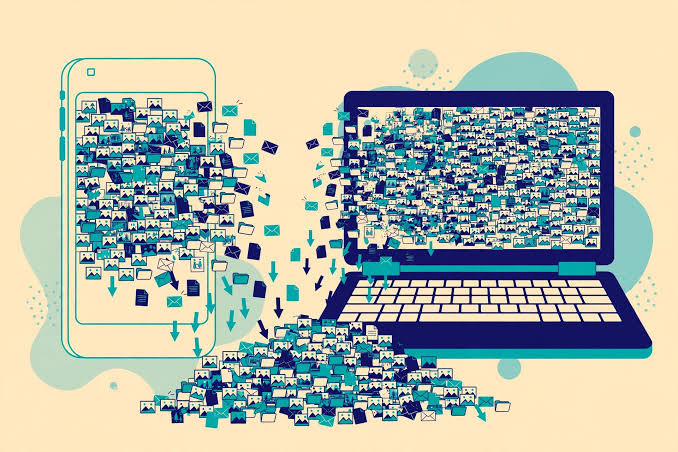
A phone filled with thousands of screenshots, an email inbox containing years of unread messages, and a laptop crowded with forgotten downloads might seem harmless. After all, digital files do not occupy physical space in our homes. However, keeping everything without considering its usefulness can gradually create problems that affect productivity, organization, and even peace of mind. This behavior, commonly known as digital hoarding, has become increasingly common as technology makes storing information easier than ever.
Unlike physical clutter, digital clutter often remains invisible until someone struggles to find an important document, runs out of storage, or feels overwhelmed by the amount of information accumulated over time.
Understanding Digital Hoarding in Everyday Life
Digital hoarding refers to the excessive accumulation of electronic files, messages, photographs, applications, and other digital materials, often accompanied by difficulty deleting unnecessary content. It can begin with something as simple as saving an interesting article to read later or downloading a document that might be useful someday.
Over time, these small actions develop into habits. People continue collecting information without reviewing what they already have. A folder originally created for important documents might eventually contain outdated receipts, duplicate files, and information that no longer serves any purpose.
Online platforms such as www.theloverspoint.com are examples of websites people may encounter while browsing and exploring different topics. Saving interesting web pages can be useful, but collecting links without revisiting them often contributes to growing digital clutter.
Emotional Attachment to Digital Possessions
One interesting aspect of digital hoarding is the emotional connection people develop with electronic content. Photographs, old conversations, videos, and personal documents often represent memories that individuals hesitate to erase.
Someone might keep hundreds of nearly identical vacation photographs because deleting even one feels like losing part of an experience. Similarly, old messages from friends or family members may remain stored for years because they carry sentimental value.
This emotional attachment becomes problematic when individuals struggle to distinguish meaningful memories from unnecessary information. Preserving valuable digital content is reasonable, but retaining everything can make genuinely important memories harder to locate and appreciate.
Information Overload and Digital Clutter
Digital hoarding is not limited to photographs and personal files. Many people accumulate enormous collections of bookmarked articles, travel recommendations, tutorials, and online resources.
For instance, someone researching activities through a Sydney local guide might save dozens of restaurant suggestions, attraction pages, and travel itineraries. Although these resources may initially seem helpful, keeping outdated recommendations long after a trip can create unnecessary clutter.
Information overload occurs when the volume of available material becomes difficult to process effectively. Instead of helping people make informed decisions, excessive saved information can create confusion and hesitation.
Organizing resources according to their relevance and regularly removing outdated material can help maintain a more manageable digital environment.
Productivity Suffers When Everything Is Saved
A cluttered digital workspace can quietly reduce efficiency. Employees and students frequently spend valuable time searching through poorly organized folders, repeated downloads, and crowded email inboxes.
Consider someone preparing a presentation who has saved multiple versions of the same document. Without clear file names or an organized storage system, identifying the correct version becomes unnecessarily complicated.
Digital clutter can also increase distractions. Constant notifications, unnecessary applications, and overflowing browser tabs compete for attention, making it harder to concentrate on important responsibilities.
People exploring lifestyle content or city information through platforms such as GLID Melbourne may also benefit from maintaining organized bookmarks rather than allowing every interesting page to remain permanently saved.
Hidden Storage and Security Concerns
Although digital storage appears almost unlimited, maintaining unnecessary information can create practical challenges. Large collections of photographs, videos, and documents consume device storage and may increase dependence on paid cloud services.
More importantly, forgotten files sometimes contain sensitive information. Old identification documents, financial statements, and personal records may remain stored in unsecured folders long after they are needed.
Keeping unnecessary personal information can increase exposure if a device or online account becomes compromised. Reviewing stored materials and securely deleting sensitive files that are no longer required can reduce avoidable risks.
However, important records should not be removed without considering legal, financial, or personal retention requirements. Effective digital organization involves thoughtful decisions rather than deleting everything indiscriminately.
Social Media and Content Collection Habits
Social media platforms have introduced another form of digital accumulation. Saved posts, screenshots, videos, and shared links often build up faster than people can review them.
A person following local updates through sources such as Melbwire Melbourne might save interesting stories, event information, and recommendations for future reference. However, these collections can quickly lose their usefulness when outdated material remains mixed with current information.
The problem is not saving content itself but allowing saved collections to grow without purpose. Creating separate folders for important subjects and periodically reviewing saved posts can make digital collections more useful.
Developing a Healthier Relationship With Digital Storage
Managing digital hoarding does not require abandoning technology or deleting meaningful memories. Instead, it involves developing practical habits that prevent unnecessary accumulation.
One effective approach is to review digital files regularly and remove duplicates, outdated downloads, and applications that are no longer used. Giving documents descriptive names and organizing them into clearly defined folders can also simplify future searches.
Another useful habit is questioning whether something genuinely needs to be saved. Before downloading another document or bookmarking another article, consider whether the information is likely to be useful again.
Important files should be backed up securely, while temporary materials can be removed once their purpose has been fulfilled. This approach creates a balance between preserving valuable information and maintaining an organized digital environment.
Conclusion
Digital hoarding often develops gradually, making it easy to overlook until accumulated information becomes difficult to manage. What begins as a convenient way to preserve memories and useful resources can eventually contribute to stress, wasted time, storage expenses, and security concerns.
A healthier digital lifestyle depends on recognizing that not everything needs to be kept forever. By organizing important materials, reviewing saved content, and becoming more selective about what deserves storage, individuals can create digital spaces that support their needs rather than overwhelm them.