
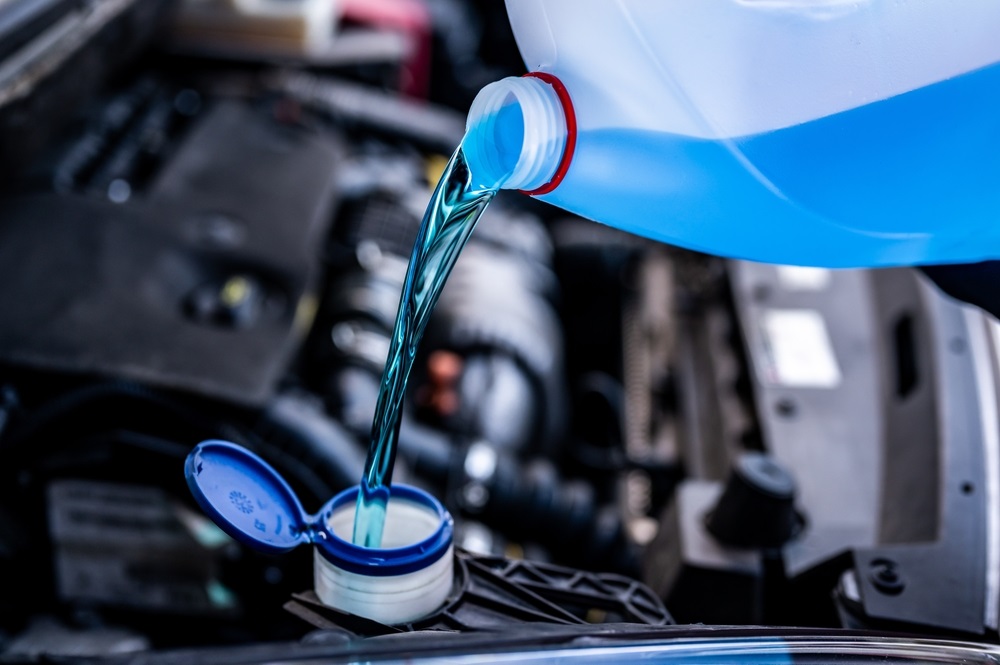
Low Coolant Levels – Prevent Overheating During Long Drives

Engine coolant absorbs heat from the engine and carries it to the radiator, where that heat can be released. Low coolant levels reduce the system’s ability to control temperature and may allow air to enter areas that should remain filled with coolant.
Checking the level before long trips is simple preventive maintenance, but repeated coolant loss should never be treated as normal.
Why Coolant Level Matters
The cooling system depends on having the correct amount and mixture of coolant circulating through the engine, radiator, hoses, and heater circuit. When the level becomes too low, temperature control can become inconsistent.
Owners browsing automotive maintenance references should use the coolant type specified for their vehicle. Coolants with different chemistries or specifications aren’t automatically safe to mix.
Low Coolant Usually Has a Reason
Cooling systems are generally closed systems. If the level repeatedly drops, coolant may be escaping through a hose, radiator, reservoir, water pump, gasket, cap, or another component.
Some leaks are obvious. Others appear only when the system is hot and pressurized.
Check Coolant Safely Before a Trip
Coolant checks should normally be performed with the engine cold and according to the owner’s manual. Many vehicles use a translucent expansion tank with minimum and maximum markings.
Anyone reading road-trip car care guidance should remember one major safety rule: never remove a pressurized cooling-system cap from a hot engine. Hot coolant can escape suddenly and cause serious burns.
| Finding | Possible Meaning | Response |
|---|---|---|
| Level within marks | Normal condition | Continue monitoring |
| Level slightly low | Possible loss or prior service issue | Correct and recheck |
| Repeated level drop | Leak likely needs investigation | Inspect system |
| Temperature rising | Cooling problem possible | Stop safely and assess |
What to Do if Temperature Starts Rising
If the temperature gauge moves into an abnormal range or a warning appears, reduce engine load and find a safe place to stop. Continuing to drive an overheating engine can turn a cooling-system fault into expensive engine damage.
Drivers consulting general motoring resources should prioritize the vehicle’s warning indicators and manufacturer instructions over generic advice. Different cooling systems don’t all behave the same way.
Don’t Rely on Water as Routine Coolant
Plain water can transfer heat, but proper automotive coolant also provides freeze protection, corrosion protection, and other properties required by the cooling system.
Water may have limited emergency uses depending on the situation, but routine operation should use the manufacturer’s specified coolant mixture.
Common Assumptions That Cause Trouble
One mistake is repeatedly adding coolant without investigating why it disappeared. Topping off may temporarily restore the level while allowing a leak to worsen.
Another is assuming overheating always means the coolant level is low. Thermostat faults, cooling-fan problems, damaged pumps, blocked radiators, drive-belt problems, and other failures can also produce excessive temperature.
Mixing random coolant colors is risky too. Color isn’t a dependable specification; always check the required coolant standard.
Frequently Asked Questions
Can low coolant damage an engine?
Yes. If coolant becomes low enough to interfere with heat removal, the engine can overheat. Severe overheating may damage gaskets, cylinder heads, and other components, so repeated coolant loss deserves investigation.
Why is my coolant reservoir empty but there is no puddle?
Small leaks can evaporate on hot components, appear only under pressure, or occur internally. A pressure test or professional inspection may be needed when coolant repeatedly disappears without an obvious external leak.
Can I open the coolant cap when the engine is warm?
A pressurized cooling system can release hot coolant and steam when opened. Follow the manufacturer’s procedure and allow the engine to cool fully before opening any pressure cap unless trained service instructions state otherwise.
Catch Cooling Problems Early
A coolant check before a long drive takes little time and can expose a developing problem before the engine overheats far from home. Keep the system at the specified level, use the correct coolant, and investigate recurring loss.
If the temperature begins climbing abnormally, protecting the engine matters more than reaching the destination without stopping. Early action can prevent a small cooling-system problem from becoming major engine damage.